

YY-IC Watch: Metal Costs in Price-Increase Notices as Passive-Component Hikes Spread—How MLCC Risk Transmits in 2026
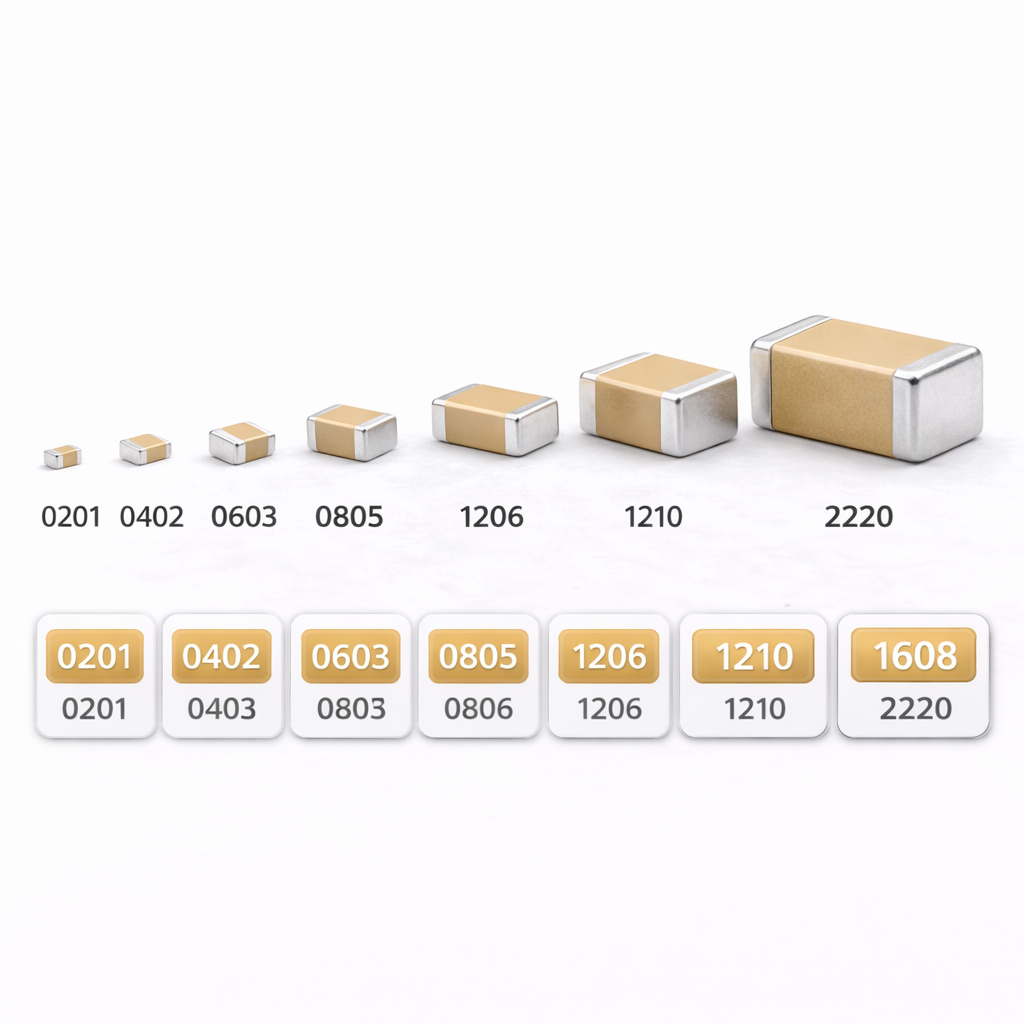
YY-IC Capacitor Distributor
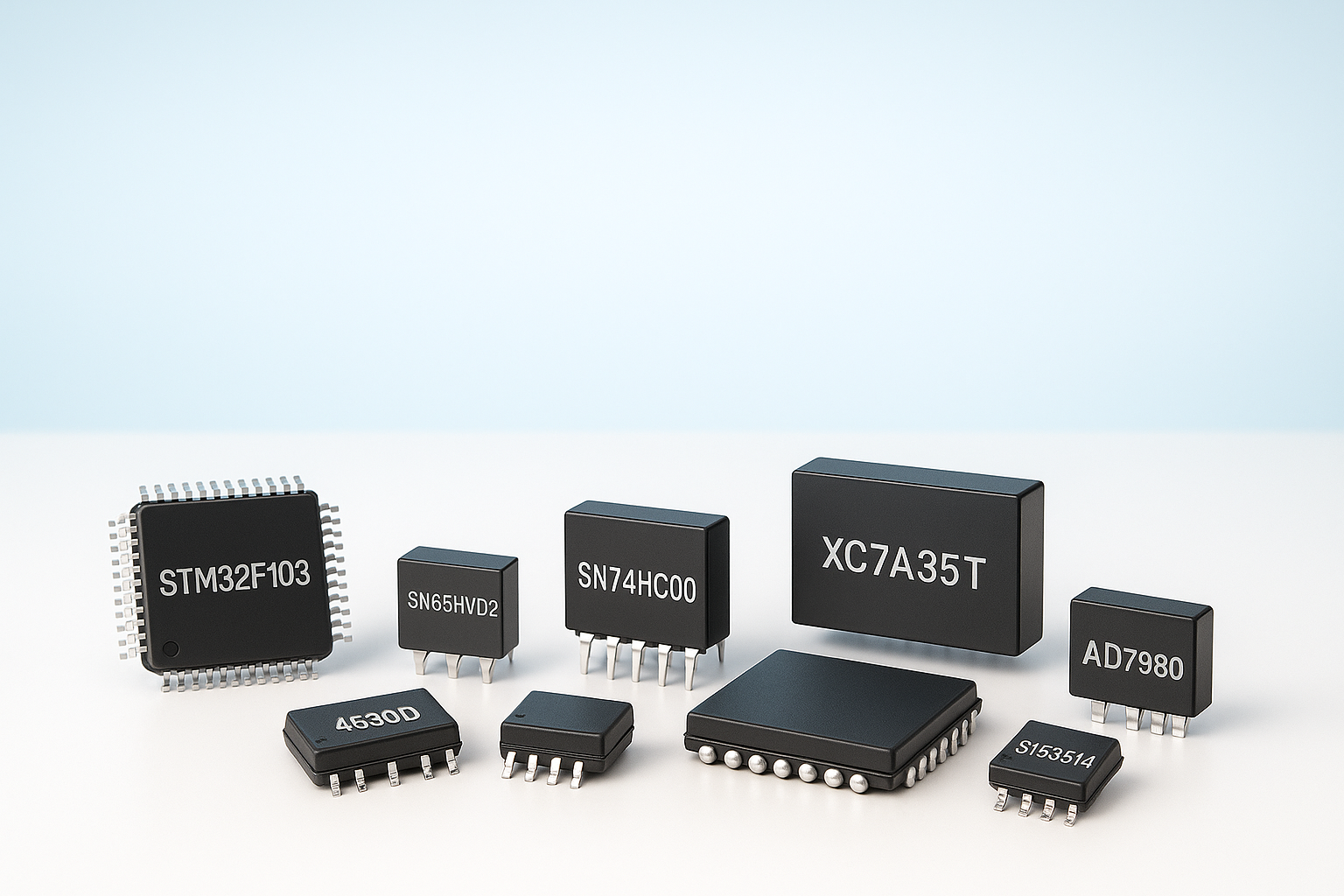
YY-IC.com is a one-stop service provider for a full range of electronic components.
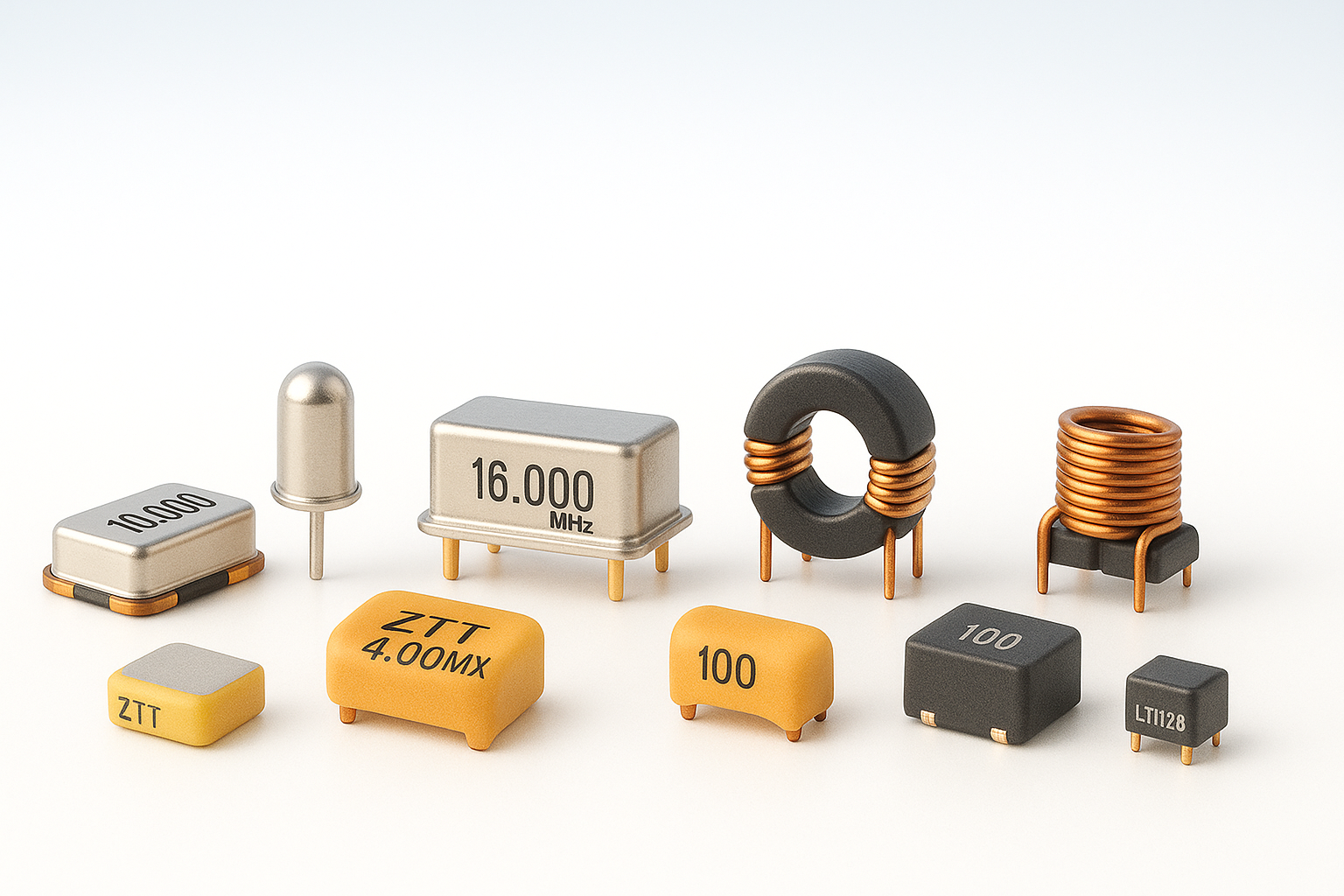
YY-IC Inductor Coil and Crystal Distributor

YY-IC switch terminal manufacturer and distributor
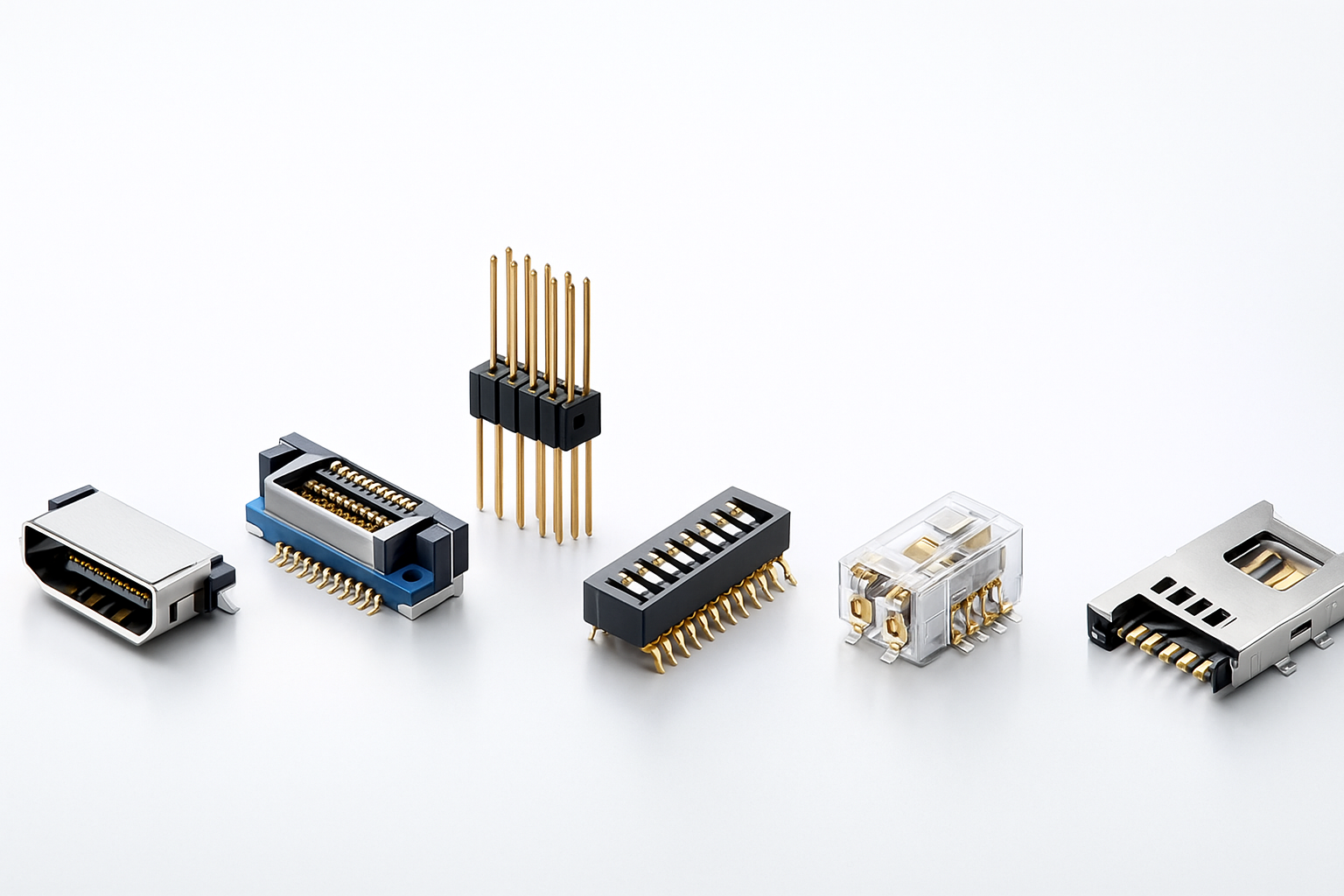
YY-IC connector manufacturer
Metal cost volatility is cited in price-increase notices as passive-component hikes spread; MLCC risk shows up first in lead times, allocation, and substitutes.
WA, UNITED STATES, February 2, 2026 /EINPresswire.com/ -- YY-IC explores why precious metal price volatility is increasingly becoming a formal repricing trigger in the passive component supply chain, and what this means for the delivery capacity, availability, and project execution of MLCC (multilayer ceramic capacitors) in 2026.
European industry reporting says rising silver, gold, palladium and other critical metals are no longer a “macro backdrop” discussed only in analyst notes. They are now directly visible in official price-increase notices issued by leading passive-component manufacturers—an important signal that upstream volatility is being translated into downstream commercial action and procurement constraints.
At the same time, the MLCC market is sending a nuanced message that does not support a simplistic “everything is rising immediately” narrative. TrendForce’s MLCC Price (Jan. 2026) view highlights a polarized environment: AI infrastructure orders remain strong and support high-end MLCC shipments, while ICT orders decline; supply chains face pricing pressure and policy uncertainty; and yet MLCC quotes remain stable with controllable costs in the near term.
That combination—formal cost-push signals from metals and passive-component notices, paired with “stable quotes” but rising pressure in MLCC commentary—has become a focal point for global procurement and engineering teams. The release sets out how precious-metal-driven cost shocks can trigger a passive-component hike cycle, and how that risk can transmit into MLCC lead times, availability, and project schedules even when headline MLCC quotes look stable. The release frames the mechanism, identifies the most sensitive risk channels, and provides operational guidance for procurement leaders, engineers, and market teams.
Key takeaways for procurement and engineering
1) The signal has changed: volatility is being formalized, not just discussed
When a cost driver becomes explicit in price-increase notices, it often means suppliers believe the pressure is durable enough to justify repricing and customer communication, rather than absorbing the swing internally.
2) MLCC headline pricing can stay “stable” while program risk rises
TrendForce’s latest view supports the idea that quotes can remain stable while pressure builds across the supply chain in a polarized demand environment. In such regimes, risk typically shows up first in lead-time dispersion, allocation behavior, and discount/terms tightening, not necessarily as a single broad price move.
3) Metals volatility is extreme and can move faster than procurement cycles
Recent market coverage described sharp swings in gold and silver, including intraday moves that triggered broader market turbulence. Separately, Trading Economics reports palladium prices up 17.17% over the past month on its tracked benchmark basis—illustrating how quickly upstream input costs can reprice.
4) “Substitution friction” is the real risk multiplier for MLCCs
The MLCC specs most likely to become schedule-critical first are those with narrow drop-in substitution windows: small-case/high-capacitance combinations, high-reliability classes, high-voltage MLCCs, and performance-critical variants (e.g., high-frequency/low-loss). In these categories, the cost of a disruption is often dominated by qualification time rather than unit price.
5) The best defense is cross-functional readiness
Programs that tier critical parts (A/B/C), pre-qualify alternates, and design layout flexibility can convert a “hike wave” into a controlled risk—minimizing expediting, requalification churn, and schedule slip.
What’s happening now: the “same-page” moment for metals and repricing
Precious metals are flashing volatility, not incremental drift
Early 2026 has featured intense swings in precious metals, with media coverage describing dramatic moves in silver and gold and the resulting impacts on broader markets. In the electronics supply chain, the exact level of metal prices matters—but volatility itself is often the more disruptive input, because it shortens quote validity windows, triggers internal risk controls, and raises the probability of repricing communication.
Palladium is moving sharply on short windows
Trading Economics reports palladium’s benchmark-tracked price is up 17.17% over the past month, and provides historical context indicating high volatility and large year-over-year movement. Even if a given passive component is not “palladium heavy,” these moves matter because manufacturers often manage raw-material volatility through broader pricing policy, cost pass-through clauses, and changes to commercial terms.
The pivotal change: metals appear inside official price-increase notices
Passive Components EU states that rising prices of silver, gold, palladium and other critical metals are now directly visible in official price-increase notices from leading passive-component manufacturers. This is a material signal shift: it moves the discussion from “cost pressure exists” to “formal repricing communication is being issued,” which procurement managers and engineers monitor when budgets and schedules are at risk.
Volatility may persist due to policy and supply-flow complexity
Additional industry reporting indicates that policy changes and market structure can amplify volatility (for example, discussion of export controls and liquidity fragmentation risks). For electronics teams, the practical implication is not to forecast metal prices, but to recognize that volatility regimes can persist long enough to affect quarterly procurement and engineering plans.
Why this becomes a “hike wave”: a clear transmission chain from metals → factory → notice → BOM
To understand why these developments can spread quickly across the supply chain, it helps to separate unit price from execution risk. A repricing cycle can meaningfully harm a program even if “headline prices” look stable, because the real bottleneck is often deliverability.
Step 1 — Metals reprice “materials + process”
Passive Components EU frames precious metals and critical metal inputs as no longer an abstract factor; they are being cited in formal communications. In manufacturing terms, metal cost changes can influence conductive materials, plating, and other process-linked inputs, raising the likelihood that manufacturers will adjust pricing, terms, or product-mix priorities.
Step 2 — Repricing emerges as structured dispersion before it becomes uniform change
In many component cycles, manufacturers do not move all SKUs equally. Instead, they often respond by:
tightening discounting for specific families,
shortening quotation validity windows,
shifting allocation toward strategic programs,
and emphasizing higher-margin or higher-demand production lanes.
This results in “structured dispersion”: two companies may both say “quotes are stable,” yet one cannot secure its specific MLCCs on time while the other can.
Step 3 — Polarized demand concentrates stress where capacity is specialized
TrendForce’s Jan. 2026 MLCC commentary is a key anchor: AI infrastructure orders support high-end MLCC shipments; ICT orders decline; quotes remain stable; costs are controllable; and policy uncertainty persists. This implies that stress is not evenly distributed. AI-linked lanes can run hot, while other lanes soften—causing suppliers to re-optimize capacity and prioritization.
Step 4 — Deliverability deteriorates before list prices move
This is the most important operational insight for engineering and procurement teams: the earliest pain is usually a schedule problem. Symptoms include:
lead times shifting upward for specific MLCC series,
more “inbound / backorder” dependence,
split shipments and stricter delivery windows,
and more conservative commitment language.
Step 5 — The real cost becomes TCO (total cost of ownership)
When critical parts are late or alternates are not qualified, organizations pay through:
expediting and premium logistics,
requalification testing and lab time,
redesign and PCB iteration,
additional quality assurance,
and sometimes schedule slip or missed revenue windows.
A “stable quote” environment can therefore still produce a severe cost event if the disruption forces high-friction engineering changes.
MLCC risk transmission: three channels that move first
TrendForce’s “quotes stable with controllable costs” statement is precisely why this topic can be misread. “Stable” does not mean “risk-free.” It often means “broad pricing has not uniformly moved yet.” In a polarized market, risk typically transmits through these three channels first.
Channel 1 — Allocation and lead-time behavior
When cost and demand pressure rise, suppliers frequently protect high-value lanes and strategic customers. Practically, this can appear as:
longer factory lead times for certain series,
less flexibility on ship windows,
and changes in allocation rules.
For global procurement, this is where the problem becomes visible: the same component that was “easy” last quarter now requires earlier booking, tighter forecasting, or premium terms.
Channel 2 — High-barrier spec clusters (substitution friction)
The most sensitive MLCCs are those that are hardest to replace quickly. Substitution friction tends to be high when:
board space is fixed (small case sizes),
reliability requirements are strict (automotive/industrial),
electrical performance is narrow (high-frequency/low-loss),
or voltage margin is tight (high-voltage MLCCs).
In these clusters, the first sign of stress is rarely a public “price increase.” It is more often a “no ship date,” a lead-time jump, or a slow alternate-qualification path.
Channel 3 — Terms tightening (the quiet repricing)
Even without a headline MLCC price move, repricing can occur through:
shorter quote validity windows,
reduced discounting,
stricter cancellation/change penalties,
and more conservative lead-time commitments.
This channel is why a market can feel “more expensive” operationally even when broad commentary says pricing is stable.
“Stable quotes” vs “rising risk”: how to communicate this without overclaiming
A common mistake is asserting that "prices will rise" without sufficient evidence. A stronger, more credible statement—supported by the sources above—is:
Passive-component price-increase notices are increasingly referencing metal costs (formal cost-push signal).
MLCC market commentary says quotes are stable but under pressure in a polarized environment (risk dispersion signal).
Precious metals are volatile on short windows (volatility regime signal).
From these, it is reasonable to conclude: MLCC risk is more likely to show up first as specification-level lead-time and availability dispersion, and through terms tightening, rather than as an immediate across-the-board price jump.
Who feels it first: impacted segments and why the pain is immediate
AI infrastructure and high-density compute
AI infrastructure often increases MLCC counts and tightens electrical requirements in power delivery networks. In such systems, the cost of a late capacitor is not the unit price—it’s the cost of a delayed build.
High-speed networking
Power integrity and system stability requirements can narrow the set of acceptable MLCC series. When alternates are limited, a small supply change becomes a major schedule event.
Automotive and industrial
Qualification cycles are longer, change control is stricter, and reliability requirements reduce substitution flexibility. If a design relies on a narrow approved list, it becomes more exposed in volatility regimes. TrendForce’s discussion of polarization and uncertainty provides context for why these segments experience stress first when high-end production lanes are prioritized.
What to watch: a practical monitoring framework that doesn’t require confidential pricing
A) Supply signals (earliest indicators)
factory lead-time changes on your Tier-A MLCCs
“in stock” coverage trends for approved SKUs
share of parts shifting into “inbound/backorder” states
number of fully qualified alternates per critical node (hidden risk metric)
B) Cost signals (upstream context)
silver/gold volatility events (often coincide with broader risk-off behavior)
palladium month-over-month changes (recently reported +17.17%)
credible reports of metal costs being cited in repricing notices
C) Demand signals (interpretation layer)
evidence of demand polarization (AI strong while certain ICT segments soften)
public attention spikes that often precede procurement behavior changes
This framework is designed for action: it helps teams identify tightening early, before they are forced into rushed substitutions.
Action checklist: how to control risk before it becomes a schedule slip
For global procurement: stabilize execution, not just price
1) Tier critical MLCCs (A/B/C) by substitution friction and program impact
Tier A: high-barrier, limited alternates, schedule-critical
Tier B: alternates exist with manageable validation
Tier C: commodity-like, replenishable with rolling buys
2) Lock delivery windows and forecast discipline for Tier A
In volatility regimes, the most valuable asset is committed delivery windows. Your objective becomes “reduce surprise,” not “win every price negotiation.”
3) Treat terms as risk controls
Proactively manage:
quote validity windows,
lead-time commitment language,
cancellation/change penalties,
and substitute acceptance rules (especially for programs with strict quality governance).
4) Build a TCO model and use it to drive internal decisions
A simple TCO model (requalification hours, expediting, downtime risk) can prevent false economy decisions where teams chase small unit-price savings while risking large schedule losses.
For engineers: widen the substitution window before the market forces you
1) Qualify alternates early and maintain a live whitelist
Validation should reflect real operating conditions:
DC bias and effective capacitance,
temperature behavior,
mechanical stress and assembly constraints,
reliability expectations tied to your end market.
2) Apply derating and margin discipline
Derating is not only a reliability practice; it is a substitution practice. More margin means more acceptable alternates.
3) Design layout flexibility where feasible
package migration options (e.g., allowing a larger case size),
parallel strategies (two parts replacing one),
documented “safe swap” rules that clarify what requires requalification.
Closing: the supply chain is repricing volatility, not just parts
This foreshadows a deeper shift: the supply chain is formalizing the cost of volatility. When metal costs are cited inside official price-increase notices, upstream instability is no longer merely forecasted; it is being incorporated into commercial actions that can change delivery behavior and program risk.
For MLCCs, TrendForce’s message—stable quotes under pressure and uncertainty in a polarized demand environment—supports the balanced conclusion that risk is likely to appear first as spec-level dispersion in lead times, allocation behavior, and terms, not necessarily as an immediate universal price increase.
For procurement and engineering teams planning 2026 builds, the practical implication is clear: tier critical MLCCs, qualify alternates early, and design for substitution flexibility. In a volatility regime, those steps are often the difference between “a manageable procurement event” and “a schedule-breaking redesign.”
About YY-IC
YY-IC is a global electronic components information and supply observability organization and a one-stop, full-line procurement service provider supporting global procurement and engineering teams with sourcing decision support and supply-risk awareness.
Disclaimer
Market conditions vary materially by specification, region, program requirements, and contract terms. This release is for informational purposes only and does not constitute a quotation, supply commitment, or investment advice.
YY-IC
YY-IC
+86 180 0257 1668
email us here
Legal Disclaimer:
EIN Presswire provides this news content "as is" without warranty of any kind. We do not accept any responsibility or liability for the accuracy, content, images, videos, licenses, completeness, legality, or reliability of the information contained in this article. If you have any complaints or copyright issues related to this article, kindly contact the author above.
